

This Juneteenth, Remember That Enslaved People Won Their Own Freedom in the Civil War.
On today’s holiday, it’s important to recognize that enslaved people were not simply freed—they freed themselves through four years of sustained rebellion in the South during the Civil War.

Today is Juneteenth, the holiday that marks the day in 1865 when Union troops reached Galveston and the last enslaved people in Texas learned they were free, more than two years after the Emancipation Proclamation. It is a fitting day to reconsider how that freedom was won, because most of us were taught the history of the Civil War wrong.
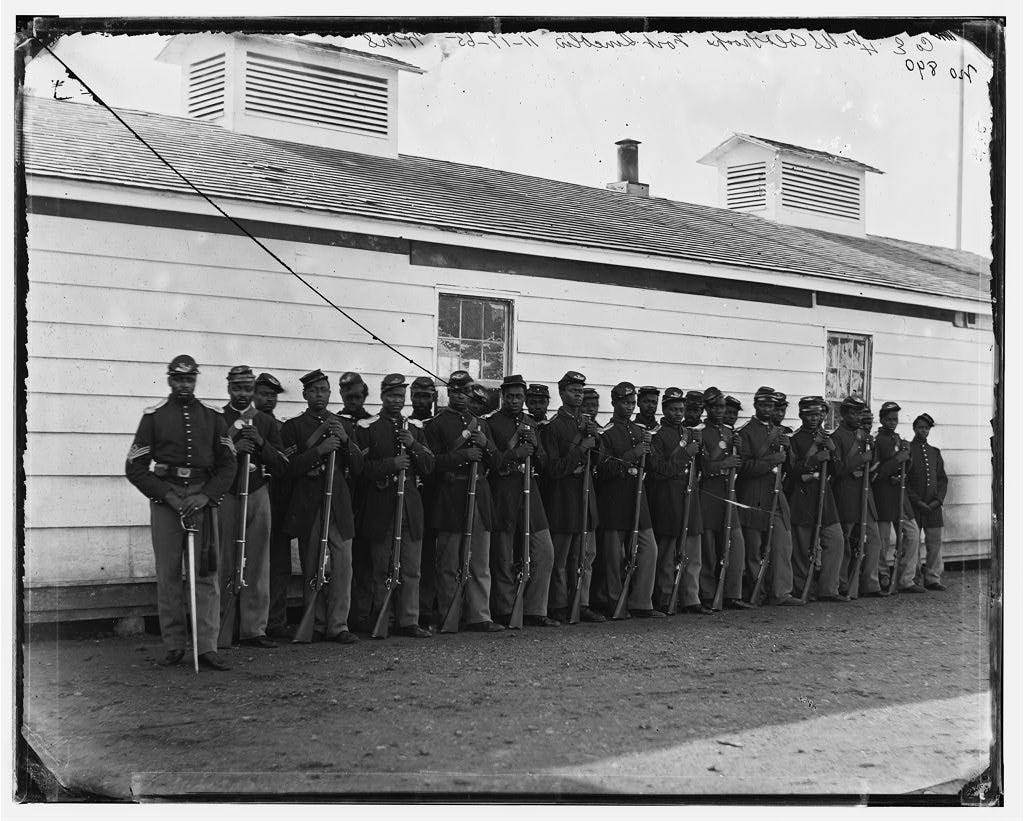
The version most Americans learn teaches that Abraham Lincoln and the Union Army freed the slaves. Enslaved people are featured mainly as the people freed, not as people who fought in the war and led much of the Union cause. The historical record tells a more radical story: enslaved people were the architects of their own freedom. They turned a war to preserve the Union into the largest slave revolt in American history, and successfully won their freedom.
I’m fighting to document stories like this before they get dismissed or erased entirely, and I need your help!
With no corporate backing or wealthy sponsors, this work depends entirely on readers like you.
If everyone reading this became a paid subscriber, I could investigate these warning signs full-time, but right now less than 5% of my followers are paid subscribers.
If you believe in journalism that tracks the canaries leaving our coal mine when others look away, please consider a paid subscription today!
Lincoln’s Proclamation Did Not Begin Emancipation
The standard account centers on the Emancipation Proclamation. Lincoln signed it on January 1, 1863, and declared enslaved people in the rebelling states free. In that telling, Lincoln’s signature ended slavery and the rest of the country followed.
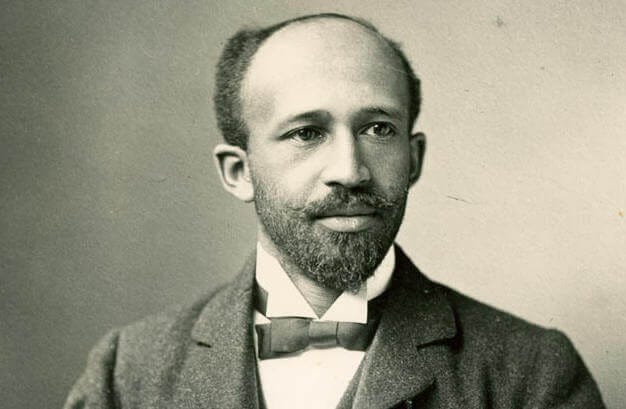
W.E.B. Du Bois challenged this narrative in 1935. In Black Reconstruction in America, he argued that emancipation came as “the logical result of a crazy attempt to wage war” in a country that held four million enslaved people and tried to ignore their stake in the fight. The Proclamation did not begin emancipation so much as catch up to it. Tens of thousands of enslaved people had already walked off of plantations and into Union camps by the time Lincoln signed it, which forced the question of slavery onto Lincoln, who had spent the early war insisting it was only about preserving the Union. Du Bois called what they did a general strike.
Enslaved People Withdrew Their Labor
By leaving, enslaved people stopped producing the food and cotton that kept the Confederate war machine running. As Union armies pushed south, roughly half a million enslaved people withdrew their labor, and around 200,000 eventually crossed into Union lines. The Confederacy needed their labor to feed its soldiers, so every person who walked away weakened the army they left and strengthened the one they joined.
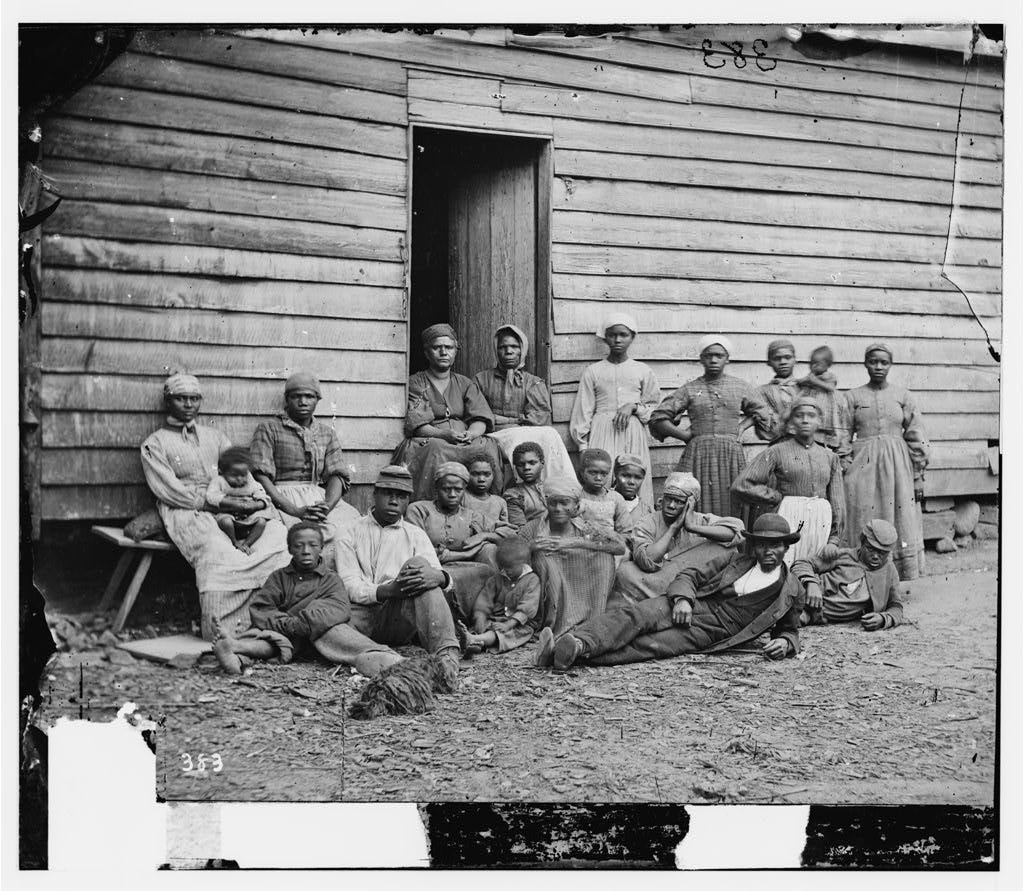
Enslaved communities had spent generations building an information network, the “grapevine telegraph,” that often delivered news of troop movements before the families who claimed to own them heard it. The clearest example is Dabney, an enslaved man who escaped to General Joseph Hooker’s camp in 1863 and became one of the most reliable scouts in the Union army. His wife took a job as a laundress at a Confederate general’s headquarters across the Rappahannock and hung the wash on a clothesline arranged in code. A gray shirt meant Longstreet was on the move, a red one stood for Stonewall Jackson. Dabney read the laundry from the far bank and told Union officers what the Confederate command was planning, usually within the hour.
Black Men Forced Their Way into the Union Army
Black men met resistance at the recruiting office from the start. When word of Fort Sumter’s fall spread in 1861, free Black men who rushed to enlist were turned away under a 1792 federal law that barred them from bearing arms for the army. Lincoln, afraid the slaveholding border states would secede, resisted for more than a year, and Washington revoked the orders of two generals who tried to free and enlist enslaved men on their own. Only after white people stopped enlisting and Union camps were filling up with self-freed Black people did Congress relent, passing the Second Confiscation and Militia Act in July 1862. By the end of the war, roughly 180,000 Black men had served in the Union Army, about a tenth of its force, alongside another 19,000 in the Navy, and nearly 40,000 of them died.
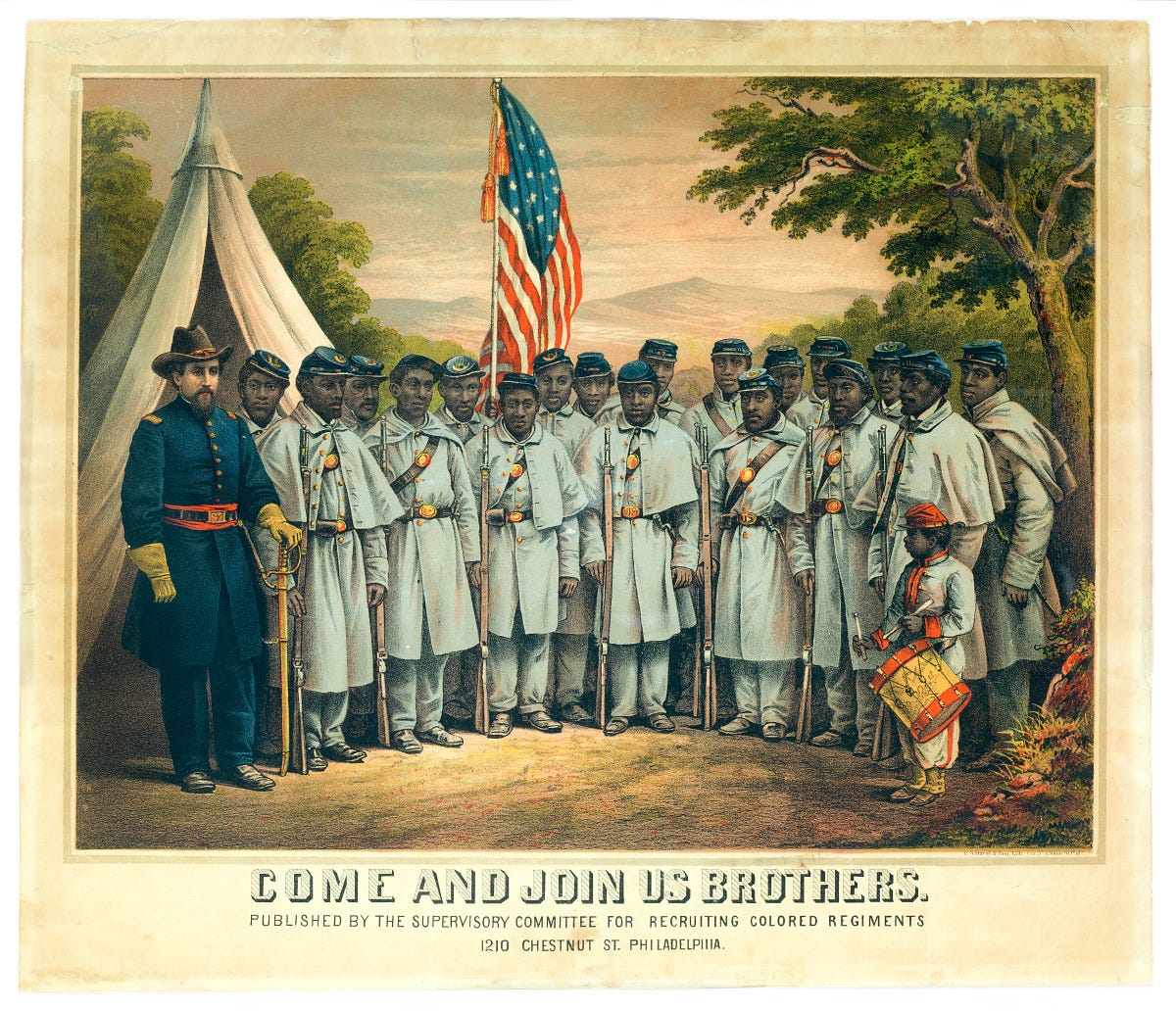
Some Black soldiers fought before Washington officially wanted them to. In Louisiana, free men of color and escaped slaves formed the Louisiana Native Guards, the only Union regiment led by Black officers, including Captain André Cailloux, who died charging the Confederate works at Port Hudson in May 1863 while white units held back. Their assault came two months before the more famous charge of the 54th Massachusetts at Fort Wagner. The stakes were higher for these men than for white soldiers. In 1863, the Confederate Congress resolved to enslave or execute captured Black troops, and at Fort Pillow, Tennessee, in 1864, Confederate soldiers killed Black Union men who had already surrendered. Capture meant their death or re-enslavement, but they enlisted anyway.
Historian Stephanie McCurry has written that Union and Confederate officials alike described the wartime uprising of the enslaved, and that they “all called it what it was: a slave rebellion.” Du Bois called it the largest and most successful slave revolt the country had ever seen, and fellow historians including Steven Hahn and James McPherson now agree that, in its course, the war became a rebellion of the enslaved against their owners. The clearest proof of who fought for freedom is what the Confederacy did at the end. Only in March 1865, with the war nearly lost, did its Congress pass a law to enlist enslaved men, and almost none ever did.
The Federal Government is Erasing This History
Today, even the Lincoln-centered version is being erased. In March 2025, President Trump signed an executive order titled “Restoring Truth and Sanity to American History,” directing the Smithsonian to purge “divisive, race-centered ideology” from its exhibits and naming the National Museum of African American History and Culture as a target. In January, he threatened federal funding for K-12 schools accused of “radical indoctrination,” and Florida’s curriculum now teaches middle schoolers that enslaved people “developed skills which, in some instances, could be applied for their personal benefit.”
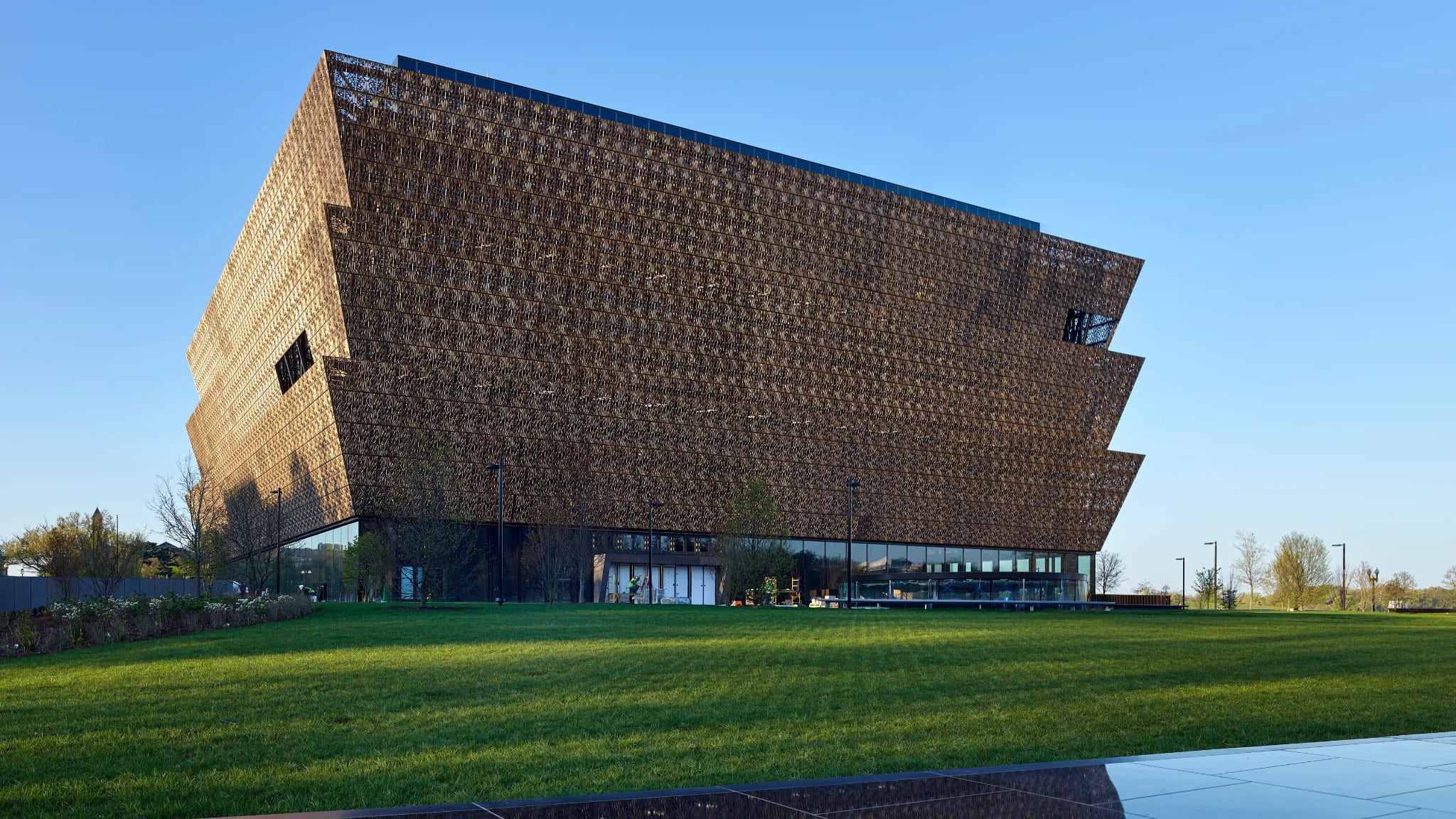
None of these are new tactics. White Southerners began spreading a false account of the war almost as soon as it ended. They argued that the Confederacy had fought for states’ rights rather than slavery, even though the Confederacy’s own vice president had said in 1861 that slavery was its cornerstone. They claimed that enslaved people had been loyal and content, and some insisted that large numbers of enslaved men had fought as Confederate soldiers, which was not true. This version of the war became known as the Lost Cause. The United Daughters of the Confederacy put it into Southern textbooks and paid for hundreds of monuments to Confederate leaders, many of them built during the Jim Crow era and again during the civil rights movement. Historians taught for decades that Reconstruction was a failure and that Black Americans were unfit for freedom. Florida’s new academic standards are just another version of the false claim that enslaved people were content.
What gets taught in schools and shown in museums is how most people come to understand the war, which is exactly why these fights matter. How we teach this history determines how we remember the Civil War, why it was fought, and who gets credit for ending slavery in America. If Lincoln and the Union Army freed the slaves, the country corrected itself from the top down and Black Americans owe their freedom to the benevolence of Northern whites. If enslaved people freed themselves, then Black Americans orchestrated the most consequential freedom struggle in the nation’s history. Juneteenth marks the day the enslaved people of Texas finally became free, a freedom they won by leading over four years of rebellion. It is that rebellion, more than any other factor, that ended American slavery.
🚨🚨🚨WAIT🚨🚨🚨
Before you go, help preserve this history of atrocities committed against People of Color!
If you believe that confronting the truth of our past is essential to any claim this country makes toward justice, then I ask for your support.
So many of you have subscribed to this newsletter.
But less than 5% of you are paid supporters.
That makes it hard to keep this going, especially when platforms like TikTok and Instagram are so unstable. I’ve had videos removed, been mass-reported by trolls, and constantly worry about getting shadowbanned or banned completely.
This newsletter is one of the only spaces where I can share these stories without censorship. But I need help to grow it.
📖 If just 5% of you became paid subscribers, I could continue bringing on professors, historians, and other experts to unpack these issues in even deeper ways.
🧠 If 10% signed up, I could quit everything else and go full-time — publishing multiple articles a day, covering the latest news, and connecting it to the hidden histories they don’t teach in school.
🌎 And if 20% of you subscribed, I could turn this into a platform that lifts up other truth-tellers. Young writers, educators, and creators who are brilliant but have nowhere to share their voices. Especially those from marginalized communities who get ignored by traditional media.
I’m going to be direct: You might think someone else will step up to contribute to this page, but that’s exactly what everyone else is thinking too. This only works if each one of us contributes what we can, which is just the cost of a coffee each month.
If you’re having trouble upgrading your subscription with the above link, visit historycanthide.substack.com/subscribe
Addition: Some of you preferred a one-time donation over a full subscription. To do that you can “Tip” me on Venmo (TheGenZHistorian) PayPal (@kahlilgreene2) or Cashapp ($kahlilgreene00)
References
Du Bois, W.E.B. Black Reconstruction in America, 1860–1880. New York: Harcourt, Brace and Company, 1935.
Du Bois, W.E.B. The Negro and Social Reconstruction. Written 1936; first published in Herbert Aptheker, ed., Against Racism: Unpublished Essays, Papers, Addresses, 1887–1961. Amherst: University of Massachusetts Press, 1985.
Henderson, Errol A. “Slave Religion, Slave Hiring, and the Incipient Proletarianization of Enslaved Black Labor: Developing Du Bois’ Thesis on Black Participation in the Civil War as a Revolution.” Journal of African American Studies 19, no. 2 (June 2015): 192–213.
Mount, Guy Emerson. “When Slaves Go on Strike: W.E.B. Du Bois’s Black Reconstruction 80 Years Later.” African American Intellectual History Society, December 28, 2015.
Gershon, Livia. “Did Black Rebellion Win the Civil War?” JSTOR Daily, February 1, 2019.
Rakich, Andrew. “The Civil War Was A Slave Revolt.” Atun-Shei Films. YouTube video, July 4, 2025.
Hahn, Steven. The Political Worlds of Slavery and Freedom. Cambridge, MA: Harvard University Press, 2009.
McCurry, Stephanie. Confederate Reckoning: Power and Politics in the Civil War South. Cambridge, MA: Harvard University Press, 2010.
McPherson, James M. Battle Cry of Freedom: The Civil War Era. New York: Oxford University Press, 1988.
National Archives. “Black Soldiers in the U.S. Military During the Civil War.” Educator Resources. Last reviewed October 4, 2023.
Mintz, Steven. “Historical Context: Black Soldiers and Sailors in the Civil War.” The Gilder Lehrman Institute of American History. Revised 2025.
Columbian College of Arts and Sciences, George Washington University. “History Restored: The Untold Story of Black Civil War Soldiers.” April 12, 2023.
Coski, John. “Myths & Misunderstandings: Black Confederates.” American Civil War Museum, November 7, 2017.
Florida Department of Education. 2023 Florida’s State Academic Standards — Social Studies, Strand SS.68.AA (African American History), benchmark SS.68.AA.2.3.
Executive Order 14253, “Restoring Truth and Sanity to American History.” March 27, 2025. Federal Register, April 3, 2025.
Thank you for this important piece of history that is generally ignored or glossed over.
The example of Dabney and his wife coming up with a genius way to pass on information about Confederate plans is such a great detail to include. It reminds us again of all the women's work that is ignored as trifles.
Would it be possible to name her, too?